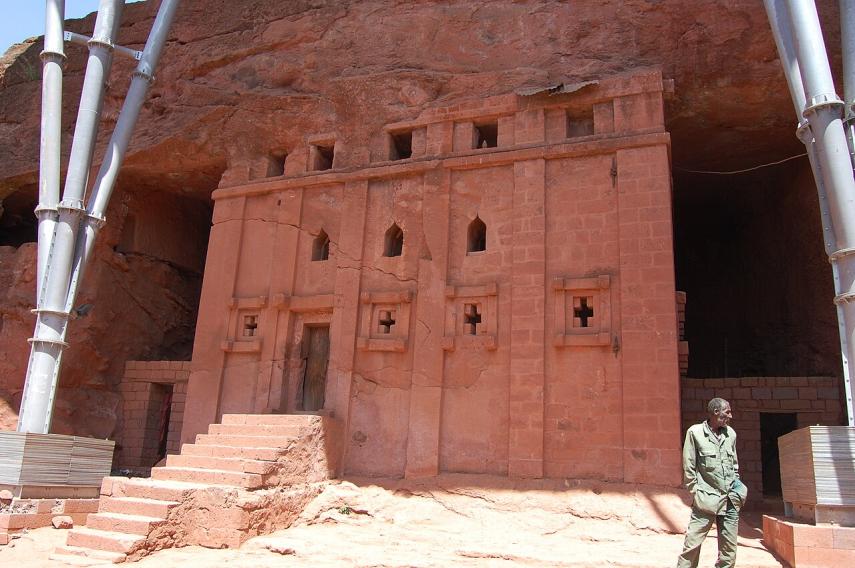
Visiting the "Historic Circuit" of Northern Ethiopia requires balancing weather patterns with a vibrant religious calendar. Because the region sits at high altitudes—Lalibela alone rests at 2,630 meters—the climate remains temperate and crisp, avoiding the extreme heat often associated with East Africa.
The Dry Season: October to March (Best Overall)
The most popular window for travel is the Ethiopian winter. Skies are consistently blue, and the sun is reliable, making it the prime time for exploring the rock-hewn churches and trekking the highlands.
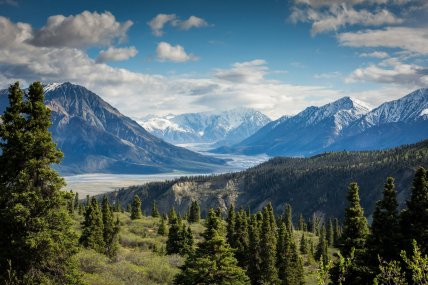
October & November: The "Emerald Window." The landscape is lush and vibrant immediately following the rains, yet the weather is dry. This is the peak period for landscape photography and spotting wildlife in the Simien Mountains.
December to February: The height of the dry season. While daytime temperatures are pleasant (22°C–25°C), high-altitude nights can be cold, often dropping toward 5°C.
The Festival Season (Cultural Immersion)
Timing your visit with a major Orthodox festival offers a profound look at Ethiopia's living history. During these times, the quiet town of Lalibela transforms into a sea of white-robed pilgrims.
| Event | Date (2026) | Significance |
| Genna | January 7 | Ethiopian Christmas; the ultimate experience in Lalibela. |
| Timkat | January 19 | Epiphany; famous for the colorful processions in Gondar and Lalibela. |
| Fasika | April 12 | Ethiopian Easter; follows a 55-day fast with a deep, spiritual night vigil. |
| Meskel | September 27 | Finding of the True Cross; marked by massive bonfires and yellow daisies. |
Seasonal Activity Guide
Trekking the Simien & Lasta Mountains
Best Window: October to January.
Conditions: Clear visibility is essential for the dramatic escarpment views. By late February, the air can become slightly hazy with dust, though still excellent for hiking.
Wildlife Viewing
Best Window: November to February.
Focus: This is the best time to see the Gelada monkeys in the Simiens and Ethiopian Wolves in the Bale or Lasta highlands. It also coincides with the arrival of migratory birds.
The Rainy Season: June to August
Known as the Kiremt, these months see heavy afternoon downpours.
Pros: Travel costs are lower, and the historical sites are free of crowds. The mountains become a deep, intense green.
Cons: Trekking paths become slippery and mud-clogged. Fog often obscures mountain views, and some rural roads to remote monasteries may become impassable.
Practical Travel Insights
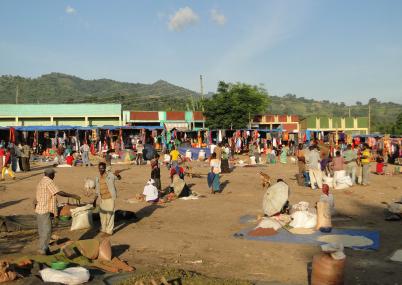
The Saturday Market: Regardless of the month, try to be in Lalibela on a Saturday. The weekly market is a vital social and economic hub where locals trade everything from salt to livestock.
Booking Tip: For January visits (Genna and Timkat), flights and hotels should be secured at least 4 to 6 months in advance as the town reaches full capacity.
Clothing: Even in the warmest months, the altitude means temperatures drop as soon as the sun sets. Always pack a fleece or light down jacket.